Choosing the right grass for your North Texas property is one of the most important landscaping decisions you will make. The wrong choice means fighting your lawn instead of enjoying it. Here is what actually works in DFW.
Why the Right Grass Matters in North Texas
North Texas is not an easy place to grow a lawn. The summers are brutal, regularly exceeding 100 degrees for weeks at a time. The soil ranges from heavy black clay in Dallas to sandy loam further west. Rainfall is unpredictable, swinging from drought to flooding sometimes in the same month. And the winters, while generally mild, can deliver surprise ice storms that damage unprepared turf.
The grass you choose needs to handle all of this. The good news is that several warm-season grass varieties thrive in the DFW climate. The key is matching the right grass to your specific property conditions: how much sun does your yard get, how much foot traffic does it handle, what is your water budget, and how much maintenance are you willing to do?
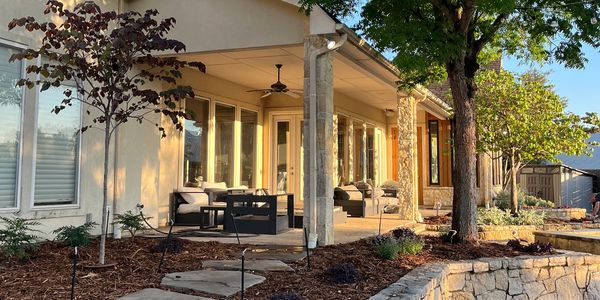
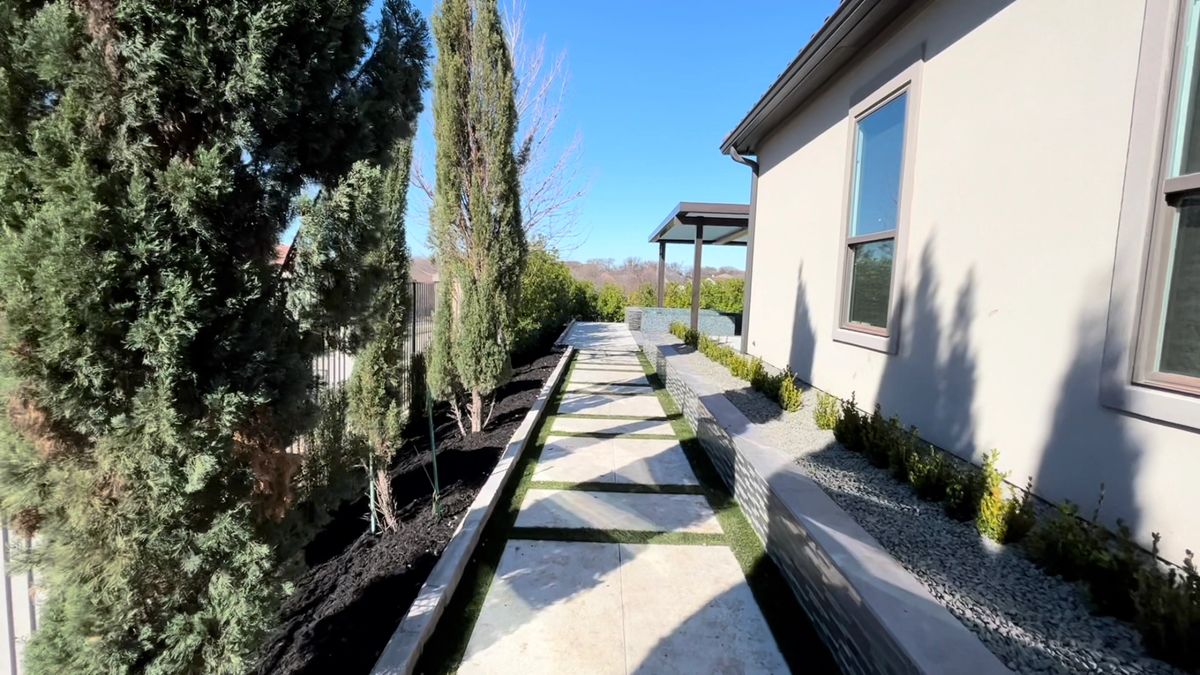
Professional landscaping service in Dallas area
Bermuda Grass: The North Texas Standard
Bermuda grass is the most common turf grass in North Texas, and for good reason. It is incredibly drought-tolerant once established, recovers quickly from damage, and handles heavy foot traffic better than any other warm-season grass. If you have kids, dogs, or just a lot of activity in your yard, Bermuda is hard to beat.
The most popular Bermuda varieties for DFW lawns include TifTuf, which offers exceptional drought resistance with a fine texture, and Celebration, which provides a deep green color with good shade tolerance for a Bermuda. Common Bermuda is the most affordable option and works well for large areas where a manicured look is not the priority.
The downside of Bermuda is that it requires full sun. If your yard has significant shade from mature trees, Bermuda will thin out and struggle. It also goes dormant in winter, turning brown from roughly November through March. Some homeowners overseed with ryegrass in the fall to maintain green color through winter, but this adds to the maintenance workload.
St. Augustine: Best for Shade
If your property has mature trees casting shade across the lawn, St. Augustine is your best option. It is the most shade-tolerant warm-season grass available in North Texas, thriving in areas that get as little as four to six hours of direct sunlight.
St. Augustine produces a thick, lush lawn with wide blades that give it a distinctive tropical look. The most popular variety in DFW is Palmetto, which offers good cold tolerance for a St. Augustine along with solid shade performance. Raleigh is another reliable choice that has been a North Texas staple for decades.
The trade-offs with St. Augustine are higher water requirements compared to Bermuda, slower recovery from damage, and susceptibility to chinch bugs, which are a common pest in North Texas. It also does not handle heavy foot traffic as well as Bermuda. But for shaded yards, it is the clear winner.
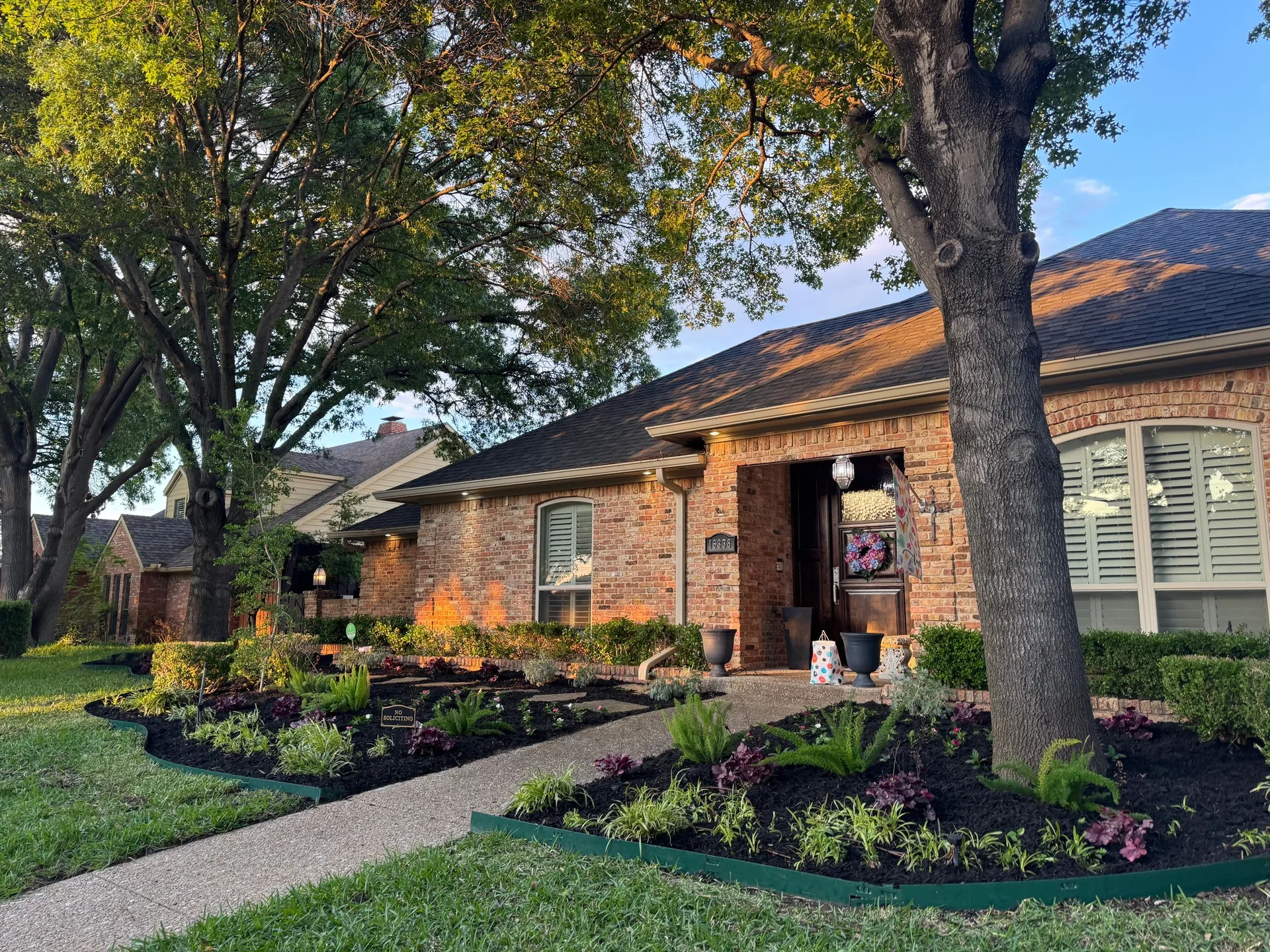
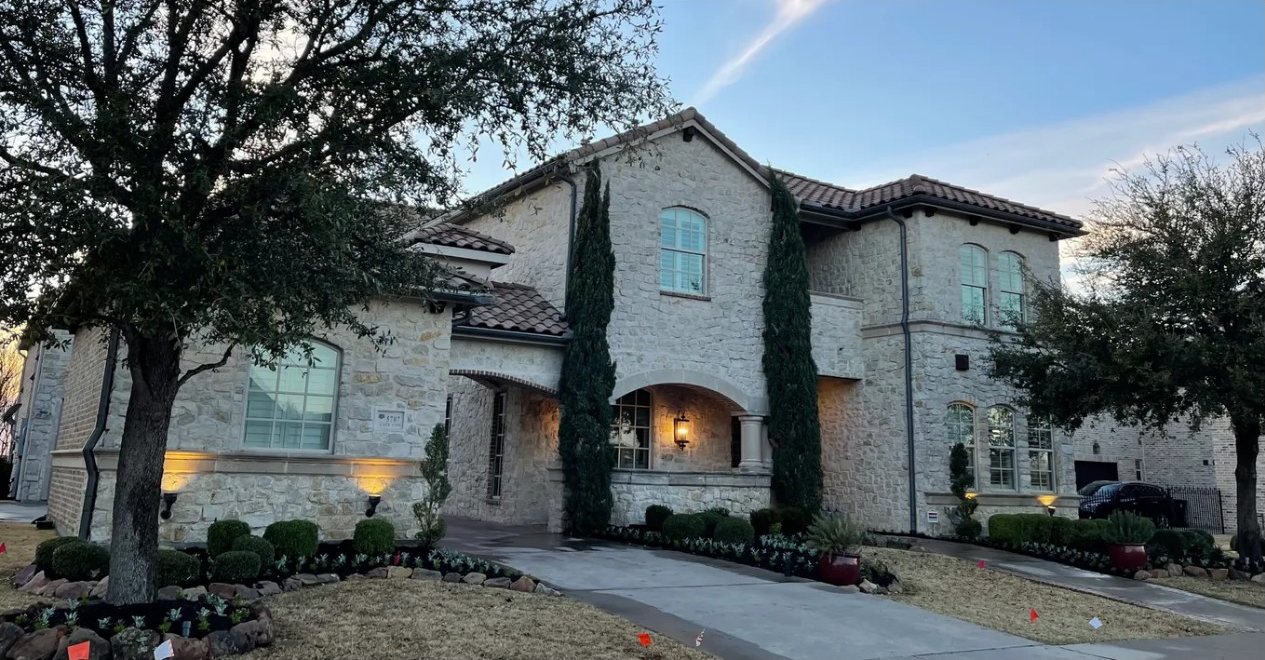
Lush residential front yard landscaping in Dallas, TX
Zoysia: The Premium Middle Ground
Zoysia grass sits between Bermuda and St. Augustine in almost every category. It offers better shade tolerance than Bermuda but not as much as St. Augustine. It handles drought better than St. Augustine but not quite as well as Bermuda. It produces a dense, carpet-like lawn with a soft texture that feels great underfoot.
Zeon Zoysia is the premium choice for DFW lawns. It has a fine texture, excellent drought resistance, and a rich green color that holds longer into fall than most warm-season grasses. The downside is cost. Zeon Zoysia sod typically runs 20 to 30 percent more than Bermuda, and it grows slowly, which means it takes longer to fill in bare spots and recover from damage.
For homeowners who want a lawn that looks like a golf course fairway and are willing to invest in the upfront cost and ongoing maintenance, Zoysia is an excellent choice. For properties with moderate shade and moderate traffic, it is often the ideal compromise.
What to Expect During Sod Installation
Professional sod installation is more than just rolling out grass on top of dirt. The process starts with proper soil preparation, which is the single most important factor in whether your new lawn succeeds or fails.
The existing ground needs to be cleared of old grass, weeds, and debris. The soil should be tilled to a depth of four to six inches and amended if necessary. In many parts of Dallas, the heavy clay soil benefits from adding compost or topsoil to improve drainage and root development. The grade should be established to ensure water drains away from the foundation.
Once the soil is prepared, the sod is laid in a staggered brick pattern, with the seams pressed tightly together. The edges along sidewalks, driveways, and flower beds are cut to fit. After installation, the entire lawn gets a heavy initial watering, and then a strict watering schedule for the first two to three weeks while the roots establish.
At Godoy's Wolves, we handle every step of the process, from removing the old lawn to the final watering instructions. We source our sod from local North Texas farms to ensure it is fresh and adapted to our climate.
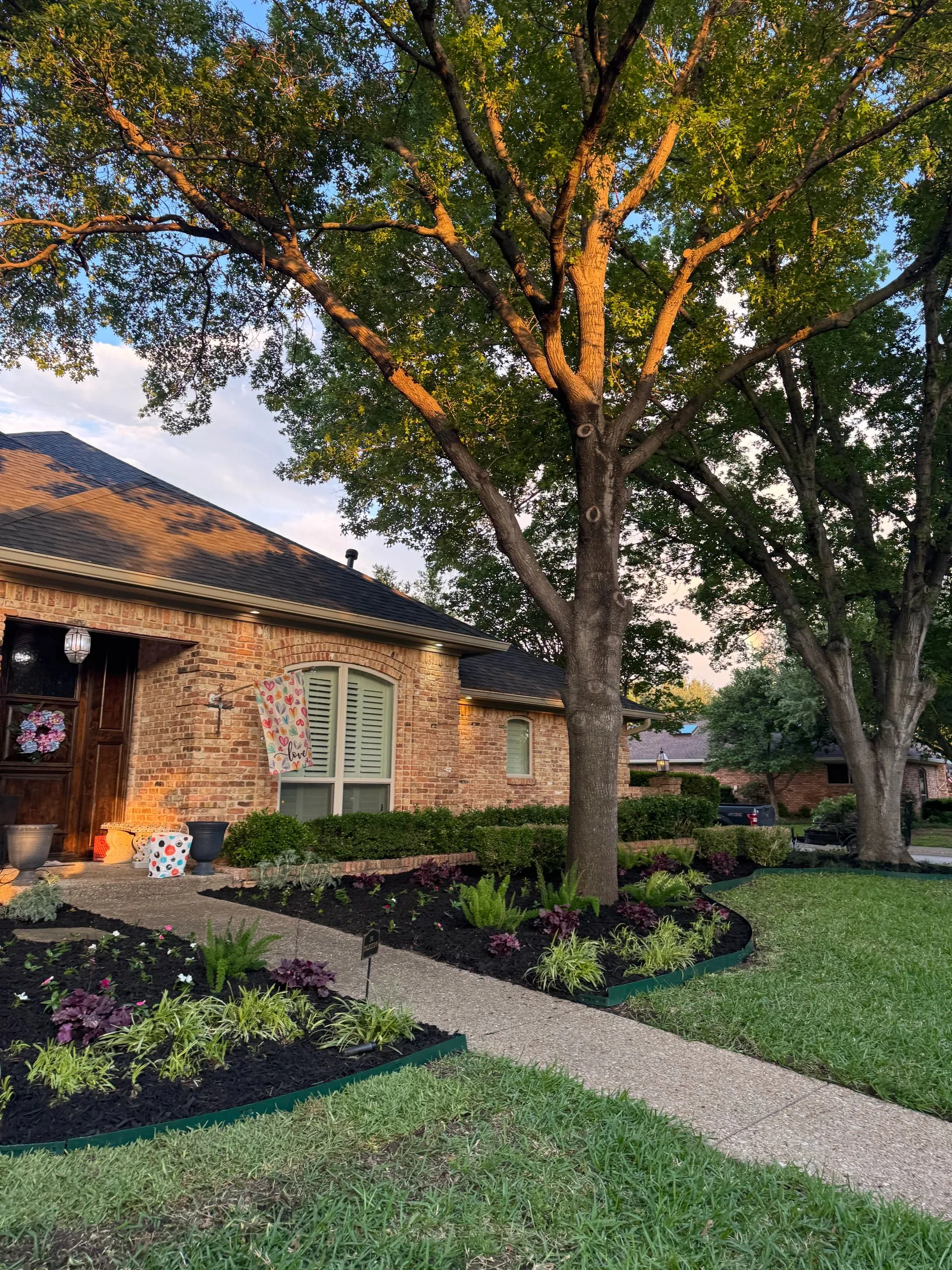
Professional sod and landscaping installation by Godoy's Wolves
Get a Free Sod Installation Quote
Godoy's Wolves serves the entire Dallas-Fort Worth Metroplex. Licensed, insured, and ready to work.